
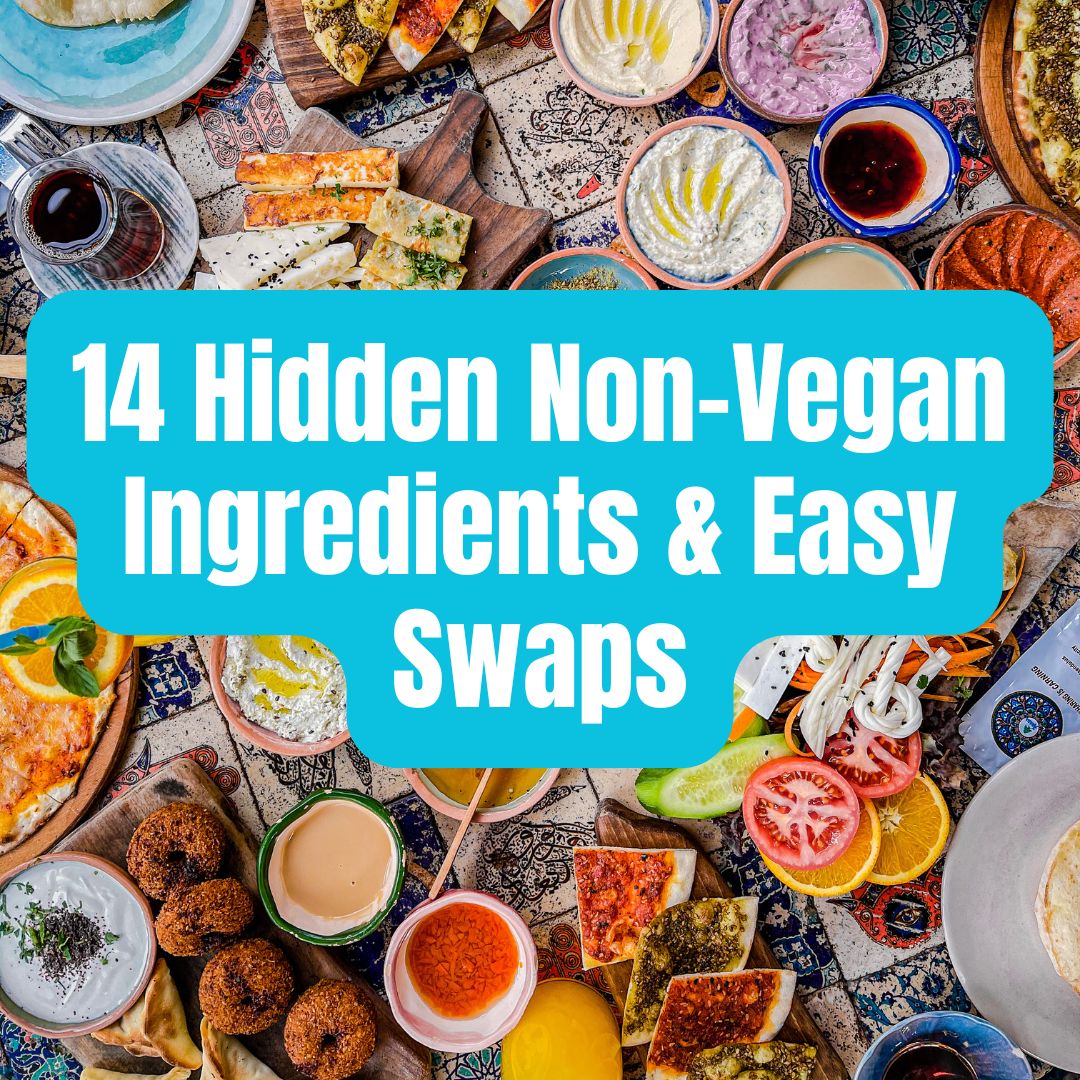
Embarking on a plant-based journey is a fantastic choice for your health and the planet. Avoiding obvious animal products is a great first step, but learning how to spot hidden non-vegan ingredients helps you make truly informed choices without the stress. In this guide, we’ll uncover these sneaky additions, simplify your shopping routine, and explore ways to navigate the “vegan tax.”
Unveiling Hidden Non-Vegan Ingredients
Most of us recognize that beef, chicken, and dairy aren’t plant-based. However, some animal-derived ingredients are a bit more elusive. Ingredients like whey, rennet, and certain enzymes frequently sneak into processed foods, baked goods, and even supplements. Learning to spot them empowers you to align your lifestyle with your values while feeling confident at the grocery store.
The 3-Second Rule: How to Scan Labels Fast
Grocery shopping shouldn’t feel like a chemistry exam. Use this simple “filter” to spot hidden non-vegan ingredients in seconds:
- The Cholesterol Shortcut: Glance at the Nutrition Facts. Plants do not contain cholesterol. If you see anything above 0mg, the product contains animal ingredients (like meat, dairy, or eggs) and you can put it back immediately.
- The Allergen Check: Look for the bold “Contains” statement at the bottom of the ingredient list. If it lists Milk, Eggs, or Shellfish, it isn’t vegan.
- The “Sneaky” Scan: If it passes the first two tests, do a quick 3-second scan for the items in the table below (like honey or gelatin).
NOTE: For the most part, don’t worry about “May contain traces of…” labels. These are generally cross-contamination warnings for allergies, not ingredients. If the ingredient list is plant-based, it’s generally considered vegan.
Your Aisle-by-Aisle Guide to Hidden Non-Vegan Ingredients
Navigating the grocery store shouldn’t feel like a treasure hunt for things you don’t want. By focusing on specific sections of the store, you can narrow your “radar” to the most likely sneaky ingredients.
1. The Dairy & Protein Aisle: The “Milk-ish” Derivatives
Even products labeled “non-dairy” (like some coffee creamers or whipped toppings) can legally contain milk derivatives.
- Whey & Casein: These are the two primary proteins found in cow’s milk. They are frequently used as cheap fillers in protein bars, “non-dairy” powders, and even some flavored potato chips.
- Caseinate (Sodium or Calcium Caseinate): A derivative of casein (milk protein) used as a thickener. If you see this, it’s a red flag for milk.
- Lactose: This is the sugar found in milk. It is often used as a carrier for seasonings or as a filler in medications and supplements.
EASY SWAP: Look for “100% Plant-Based” or “Dairy-Free” (which is a stricter legal term than “non-dairy”). Choose proteins sourced from pea, soy, or brown rice.
2. The Snack & Candy Aisle: Texture and Shine
This is where animal-derived ingredients are used for color and “mouthfeel.”
- Gelatin: This protein is derived from animal collagen (usually from the skin, tendons, or bones of cows and pigs). it gives gummies, marshmallows, and some low-fat yogurts their bounce.
- Carmine (or Cochineal): A vibrant red dye made from crushed cochineal beetles. It’s a common “natural” color in red candies and fruit juices.
- Shellac (Confectioner’s Glaze): This resin is secreted by the female lac bug. It is what makes jelly beans and chocolate-covered nuts look so shiny.
- Honey: This is a sweetener produced by bees. It is often used as a “healthy” alternative to sugar in granola bars and cereals.
EASY SWAP: Look for snacks colored with beet juice or turmeric. Use agar-agar or pectin-based gummies, and reach for maple or agave-sweetened treats.
3. The Bakery & Bread Aisle: Softness Secrets
The bakery is where ingredients often hide under “umbrella terms.”
- L-Cysteine: This amino acid makes bread soft and stretchy. It is sourced from bird feathers or human hair. It’s rarely listed by name; instead, look for the term “Dough Conditioners.” * Enzymes: These help bread rise and stay fresh. They can be extracted from the stomachs of calves (rennet) or other animal tissues unless they are specifically labeled as “Microbial” or “Fungal.”
- Lard or Tallow: These are rendered animal fats (pig and cow fat, respectively). They are still sometimes used in traditional pie crusts, tortillas, and refried beans.
EASY SWAP: Stick to artisan, sprouted, or organic breads. These usually have shorter ingredient lists and avoid complex chemical dough conditioners.
4. The Health & Supplement Aisle: The “Fortified” Trap
We often buy fortified foods to be healthy, but the “boost” can come from unexpected places.
- Lanolin (Vitamin D3): This is a waxy grease extracted from sheep’s wool. It is the most common form of D3 used to fortify orange juice and cereal.
- Fish Oil (Omega-3s): These are extracted from the tissue of fatty fish. If a product is “fortified with heart-healthy Omega-3s,” check the source – unless it says “Algae-based,” it likely contains fish.
- Caprylic Acid: A fatty acid that is sometimes sourced from goat’s milk. It is common in “MTC” oils or keto-style supplements.
EASY SWAP: Look for Vitamin D2 or “Vegan D3” (sourced from lichen). For Omega-3s, stick to flaxseed, chia, or algae-based supplements.
Pro-Tip: The “Invisible” Processing Aids
Finally, there are things you will never see on a label because they are used during the process but aren’t in the final food.
- Bone Char: This is made from charred animal bones and is used as a filter to bleach cane sugar white.
- Isinglass: This is a collagen derived from fish bladders. It is used as a “fining agent” to clarify beer and wine.
HOW TO SWAP: Choose Certified Organic Sugar (which never uses bone char) and use sites like BARNIVORE to find vegan-friendly beer and wine.
Navigating the “Vegan Tax”
Recognizing hidden non-vegan ingredients might make you want to buy only products labeled “Certified Vegan.” However, that can lead to fewer options and higher costs. This “vegan tax” happens because brands often pay high fees for certification or target a “luxury” market.
Some foods are perfectly vegan but lack the label because:
- The brand doesn’t want to pay for the logo.
- They want to appeal to a broader audience without using the “V” word.
Instead of paying a premium, try shopping for “accidentally vegan” items. For a deeper dive into why these costs exist, the article IT’S TIME TO END THE VEGAN TAX by Livekindly is a great read.
Finding Your Path: Progress Over Perfection
A plant-based lifestyle doesn’t have to be all-or-nothing. Even the most seasoned pros occasionally find a hidden ingredient in their pantry after they’ve already bought it. If that happens: Don’t panic. Use it, donate it, or share it with a friend. Your journey is about the 95% of the good you’re doing, not the 5% you’re still learning.
What Kind of Plant-Based Eater Are You?
Because everyone’s journey is unique, it helps to know where you stand on the “strictness” scale. Are you focusing on the big labels, or are you ready to dive into the processing aids?
To clarify your goals and choose a level of focus that fits your lifestyle, take our PLANT-BASED ROADMAP QUESTIONNAIRE. It’s designed to help you figure out what is most important to you on your unique plant-based path.
Your Plant-Based Resource Toolkit
Knowledge is power. By learning about hidden non-vegan ingredients, you can read labels with confidence and make mindful decisions. Whether you’re just getting started or looking for tips on everyday plant-based living, every choice makes a difference.
Common Questions About Hidden Ingredients
It’s completely normal to feel a bit like a detective when you first start looking for animal-derived additives. To help clear up the confusion, here are the most frequent questions we hear about navigating those tricky labels.
Some substances, like bone char or isinglass, are considered “processing aids” rather than ingredients. Because they are used during manufacturing to filter or clarify the product but aren’t present in the final food, companies are not legally required to list them on the packaging.
Not necessarily. The term “non-dairy” is a food industry classification that can still include milk derivatives like casein or whey. To be certain a product is plant-based, look for the “Certified Vegan” logo or the term “Dairy-Free,” which is a stricter legal standard.
“Natural flavors” is a broad term that can cover both plant and animal extracts. The easiest way to verify them is to look for a vegan certification on the label. If it isn’t there, you can check the company’s website or contact them directly to ask if their flavors are plant-derived.
Since bone char is a processing aid and not an ingredient, it will never be listed on a bag of sugar. To avoid it, choose “Certified Organic” sugar, beet sugar, or brands labeled “unrefined,” as these do not use bone char during the whitening process.
Quick Reference List of Hidden Non-Vegan Ingredients and Alternatives
| Ingredient | Description | Plant-Based Alternative |
|---|---|---|
| Honey | Produced by bees | Agave syrup, maple syrup |
| Gelatin | Derived from animal collagen | Agar-agar, pectin |
| Casein and Whey | Milk proteins | Soy protein, pea protein |
| Rennet | Enzyme from calf stomachs used in cheese-making | Microbial or plant-based rennet |
| Lipase | Enzyme that can be animal-derived | Microbial lipase |
| Amylase | Enzyme that may be animal-derived | Plant-based amylase |
| Glycerol Monostearate and Monopalmitate | Emulsifiers that may be animal-derived | Plant-based emulsifiers |
| Carmine (Cochineal Extract) | Red dye from crushed beetles | Beet juice, synthetic dyes |
| Shellac | Glaze from insect secretions | Carnauba wax |
| Lanolin | From sheep’s wool, found in supplements and cosmetics | Plant oils (e.g., coconut oil) |
| L-Cysteine | Amino acid from feathers or hair, used in bread products | Synthetic or plant-based cysteine |
| Caseinate | Dairy protein in creamers and protein powders | Almond milk, coconut milk |
| Omega-3s | May come from fish oils in fortified foods | Flaxseed oil, algae-based supplements |
Quick Reference for Invisible Processing Aids
| Processing Aid Ingredient | Description | Plant-Based Alternative |
| Bone Char | Used to refine sugar | Unrefined or beet sugar |
| Isinglass | From fish bladders, used to clarify beer and wine | Bentonite clay, pea protein |
| Natural Flavors | Can include animal-derived ingredients | Specify plant-based flavors |
Want to dig even deeper? Check out this complete, searchable ANIMAL-DERIVED INGREDIENTS RESOURCE by PETA for a master list of animal-based ingredients.


Leave a Comment