
Have you been curious about plant-based eating but unsure where to start? We have all been there – standing in the grocery store, staring at a bag of lentils, wondering if this is really going to work. Plant-based diets are gaining popularity for good reason, but with so much information out there, it can be hard to know what actually makes a plant-based diet healthy. I am not a healthcare professional, but I have learned a lot along the way, and I am happy to share what works. As always, consult a healthcare provider or registered dietitian for personalized advice.
What is a Healthy Plant-Based Diet?
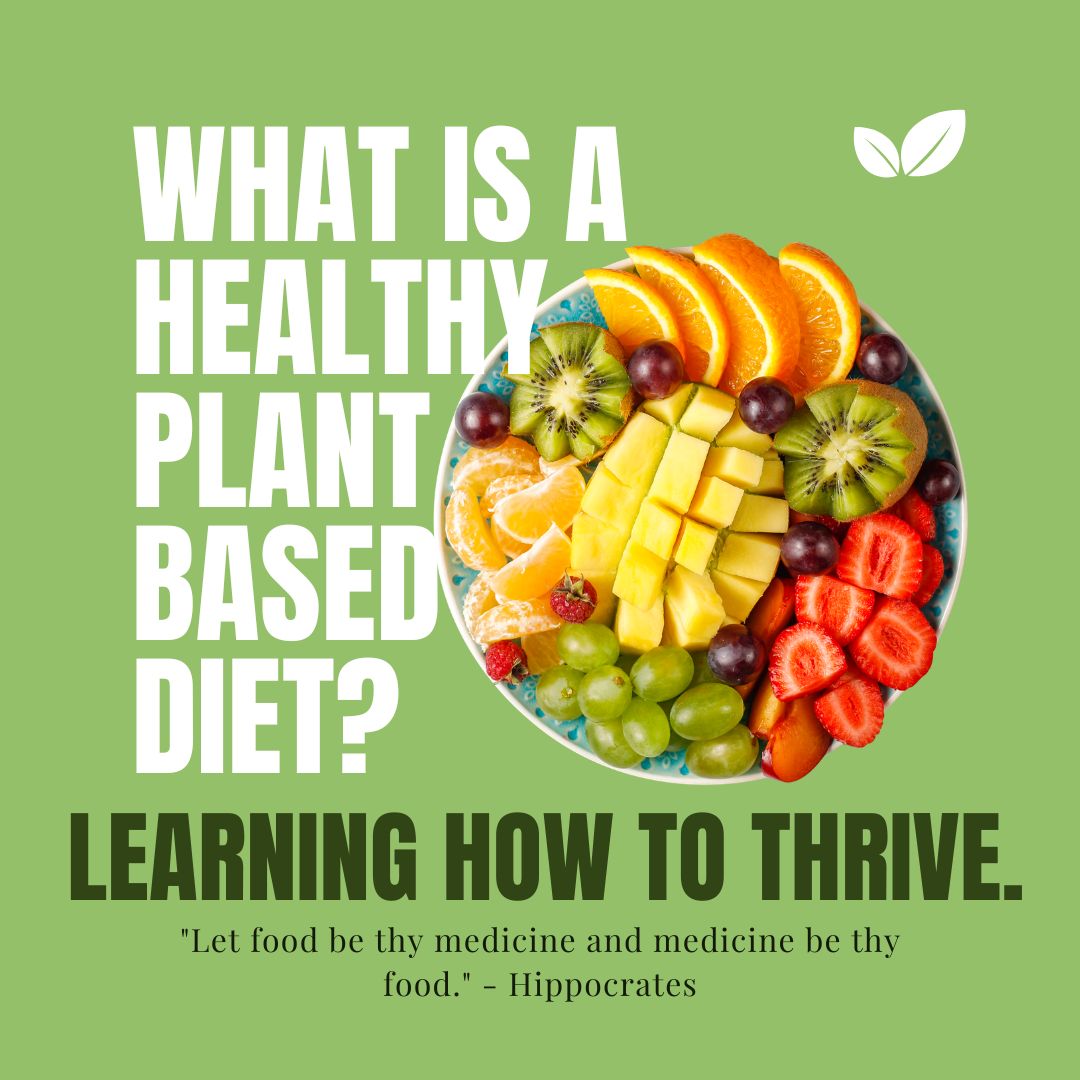
At its core, a healthy plant-based diet centers on whole, unprocessed foods derived from plants – fruits, vegetables, whole grains, legumes, nuts, and seeds. The key is variety. By incorporating a wide range of colorful fruits and vegetables, you ensure you are getting a good mix of essential vitamins, minerals, and fiber. Whole grains like brown rice and quinoa provide sustained energy, while legumes and nuts offer protein and healthy fats that keep you feeling full and satisfied.
Is a Plant-Based Diet Always Healthy?
Here is something worth saying out loud – not all plant-based eating is automatically healthy. A diet of french fries, vegan cookies, and processed meat alternatives is technically plant-based, but it is not doing your body any favors. The word “plant-based” does not equal nutritious on its own. What makes the difference is the quality and variety of the foods you choose. That is why focusing on whole, minimally processed foods is the foundation of what is a healthy plant-based diet. Again, if you have specific health concerns or conditions, a registered dietitian can help you build a plan that works for your needs.
What is a Whole Foods Plant-Based Diet?
A whole-foods plant-based diet prioritizes unprocessed or minimally processed plant foods. Unlike some vegetarian or vegan diets that may incorporate processed meat alternatives or sugary drinks, a whole-foods approach focuses on getting nutrients from their closest-to-nature state. This means choosing brown rice over white rice, opting for fresh fruit over juice, and enjoying a handful of almonds over a bag of veggie chips.
One of our favorite resources for this approach is Forks Over Knives – THE BEGINNER’S GUIDE TO PLANT-BASED EATING. their philosophy is practical and genuinely achievable, even for busy households. Their core foods give a great picture of what this way of eating looks like day to day:
- Vegetables – kale, spinach, broccoli
- Fruit – blueberries, raspberries, blackberries
- Tubers and Starchy Vegetables – potatoes, corn, peas, winter squash
- Whole Grains – quinoa, brown rice, oats
- Legumes – lentils, chickpeas, black beans
- Nuts and Seeds – almonds, chia seeds, flaxseed
Things to Consider When Eating a Whole-Foods Plant-Based Diet
A whole-foods plant-based diet has a lot going for it, but it helps to go in with eyes open. Here are a few things worth keeping in mind:
Nutrient Awareness: Some nutrients – like vitamin B12, iron, and calcium – are more easily absorbed from animal sources, but that does not mean you cannot meet your needs on a plant-based diet. Fortified plant-based milks, leafy greens, nuts, seeds, and legumes can all help fill the gaps, and supplements are always an option. A little planning goes a long way here.
Planning and Preparation: Jumping into plant-based eating without a plan can feel overwhelming at first – and that is totally normal. Once you get comfortable with meal prepping and start building a rotation of go-to recipes, it becomes second nature. Check out our MEAL PLANNING PRINTABLES to make the process easier from the start.
Budget-Friendly Choices: Some specialty plant-based products can be pricey, but the staples – beans, rice, oats, and seasonal produce – are among the most affordable foods in the grocery store. Shopping strategically and planning your list ahead of time makes it easy to eat well without overspending.
Can You Swap a Plant-Based Food for a Traditional Food?
Yes – and this is one of the most fun parts of the transition. Incorporating PLANT-BASED SWAPS helps maintain familiar flavors and textures while keeping meals entirely plant-based. Here are some easy places to start:
- Dairy – unsweetened almond or oat milk
- Ground beef – lentils or crumbled tofu
- Cheese – nutritional yeast or cashew-based cheeses
- Eggs in baking – flax or chia egg
- Butter – mashed avocado or a plant-based butter option
- Mayonnaise – hummus or tahini
A great approach is to try one or two swaps at a time and find what works best for your household. There is no pressure to overhaul everything at once.
How to Thrive on a Healthy Plant-Based Diet
Transitioning to plant-based eating is an exciting journey, and it gets easier the more you lean into it. Here are some practical tips to help you find your footing:
Focus on whole foods when you can. Fill your plate with fresh produce, whole grains, and legumes. Do not be afraid to experiment with fruits and vegetables you have never tried before – that is half the fun.
Do not fear healthy fats. Avocados, nuts, and seeds are great sources of healthy fats that keep you feeling full and provide essential nutrients. A sprinkle of chia seeds on your oatmeal or a handful of walnuts in your salad can make a real difference.
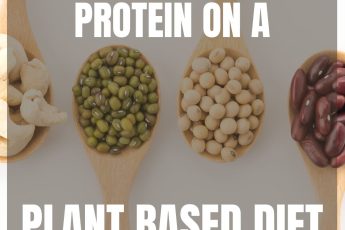
Learn about plant-based proteins. Beans, lentils, tofu, tempeh, and seitan are all excellent sources of protein and more versatile than most people expect. Browse our PLANT BASED STAPLES for ideas on keeping your kitchen stocked, or try recipes like HEARTY LENTIL SOUP, VEGGIE CHICKPEA TIKKA MASALA, or MEDITERRANEAN SWEET POTATOES to keep meals satisfying and balanced.
Explore new cuisines. Many cultures have rich plant-based traditions worth discovering. Indian curries, Thai stir-fries, and Ethiopian stews are packed with flavor and often naturally vegan – a great reminder that plant-based eating is anything but boring.
Find your community. We have all felt a little isolated when our eating habits differ from the people around us. Connecting with others who share your goals can make a huge difference. Look for online forums, Facebook groups, or local plant-based cooking classes to find your people. If you are just getting started, our PLANT BASED ROADMAP is a great place to begin.
What Does a Day of Healthy Plant-Based Eating Look Like?
Sometimes the best way to understand what is a healthy plant-based diet is to just see it in action. Here is a simple, realistic snapshot of what a day might look like:
- Breakfast: Oatmeal topped with fresh berries, a sprinkle of chia seeds, and a drizzle of almond butter
- Lunch: A big grain bowl with quinoa, roasted vegetables, chickpeas, and a tahini dressing
- Snack: Apple slices with almond butter or a small handful of mixed nuts
- Dinner: A hearty lentil soup or chickpea curry served over brown rice with a side of steamed greens
- Dessert: Fresh fruit or a couple of squares of dark chocolate
No complicated ingredients, no expensive specialty products – just real, satisfying food that happens to be entirely plant-based.
Quick and Easy Plant-Based Meal Idea
If you want something you can make right now, this one takes under 10 minutes and hits all the right notes.
Avocado Chickpea Toast
Ingredients:
- 1 slice whole-grain bread
- 1/2 avocado, mashed
- 1/4 cup chickpeas, smashed
- 1 tsp lemon juice
- Salt, pepper, and red pepper flakes to taste
Instructions:
- Toast the bread.
- In a small bowl, mix the mashed avocado and chickpeas with lemon juice, salt, and pepper.
- Spread over the toast and sprinkle with red pepper flakes.
- Enjoy as a quick breakfast or lunch.
Ready to Take the Next Step?
Understanding what is a healthy plant-based diet is the first step – and you are already here, which means you are off to a great start. It is not about perfection or overhauling everything overnight. It is about adding more whole, nourishing foods to your plate and finding an approach that feels sustainable and enjoyable for you.
If you are ready to keep going, our BEGINNER PLANT BASED FOODS page is a great next step, and the PLANT BASED ROADMAP can help you build from there. You have got this!
Your Most Common Questions About Healthy Plant-Based Eating
Before you go – here are some of the questions we hear most often about healthy plant-based eating, along with some straightforward answers to help you get started.
Not exactly. Vegan is a lifestyle choice that eliminates all animal products – including clothing, cosmetics, and food. Plant-based is more of a dietary focus on eating mostly or entirely from plants. Many people eat plant-based without fully identifying as vegan, and that is completely fine.
At its simplest, a healthy plant-based diet focuses on whole, minimally processed foods – think fruits, vegetables, whole grains, legumes, nuts, and seeds. You do not have to overhaul everything at once. Starting with a few plant-based meals per week and building from there is a perfectly reasonable approach.
Not at all. Even shifting a few meals per week toward whole plant foods can make a meaningful difference. Many people find that a flexible, mostly plant-based approach is easier to maintain long term – and sustainable always beats perfect.
Protein is very achievable on a plant-based diet through beans, lentils, tofu, tempeh, and whole grains. B12 is the one nutrient that is harder to get from plants alone, so a supplement or fortified foods are worth considering. When in doubt, a registered dietitian can help you make sure all your bases are covered.
Leave a Comment