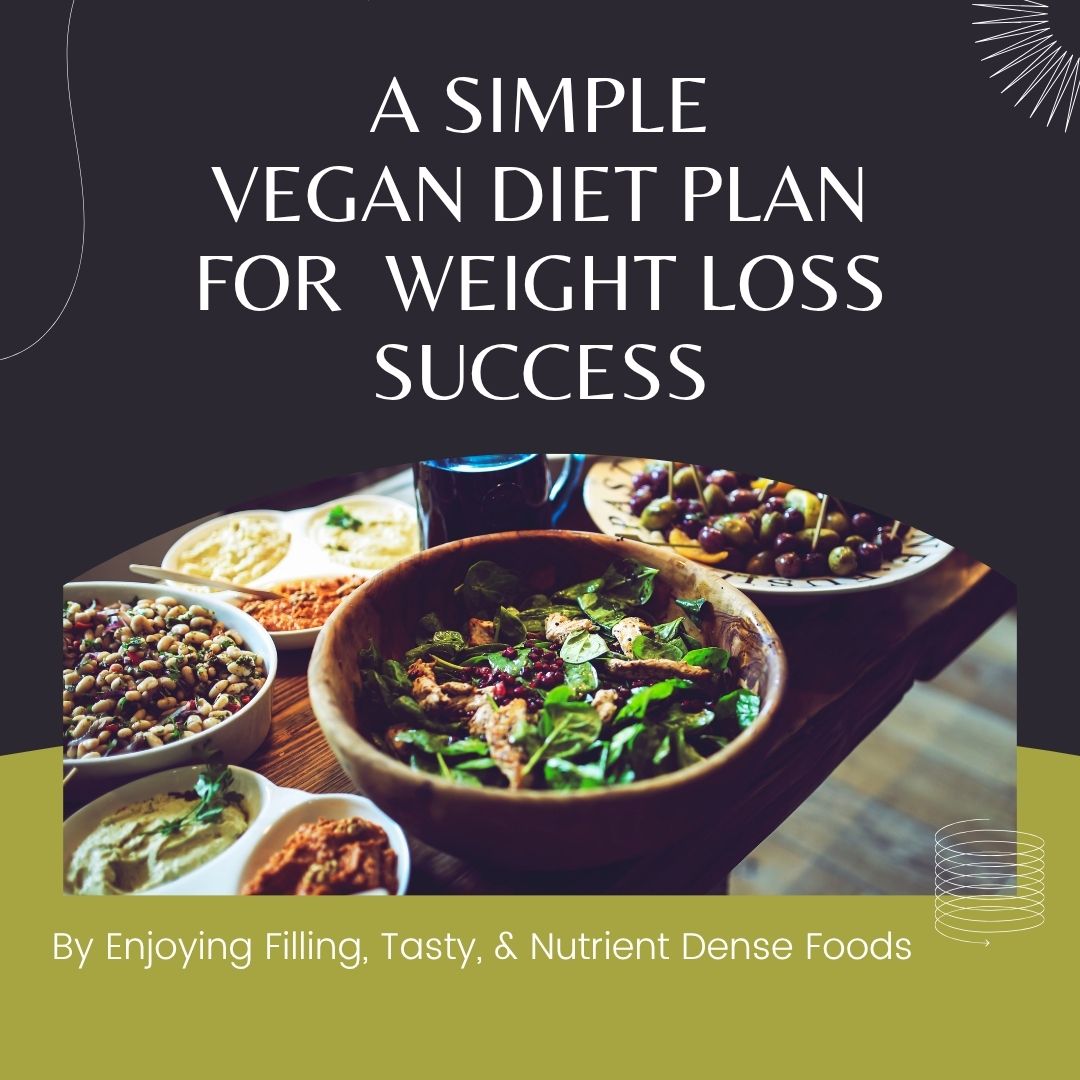
If you have been thinking about trying plant-based eating to shed a few pounds, you are in good company. More and more people are discovering that a vegan diet plan for weight loss can be a healthy, effective, and surprisingly simple approach – no calorie-counting apps or extreme restrictions required. But like with any lifestyle shift, success comes from understanding how to make it work in your real life.
Just a quick heads-up: I am not a health professional – these tips are based on general knowledge, personal experience, and what you will commonly find in plant-based nutrition articles and studies. Most of it is pretty practical, nothing radical or extreme, but always check in with your doctor or a registered dietitian if you are making changes to your diet, especially if you have health conditions or specific needs.
When it comes to weight loss, the advice out there can be wildly overwhelming. Low-carb, no-carb, intermittent fasting, juice cleanses – it is a lot. But if you are looking for a more sustainable, nourishing, and realistic way to reach your goals, a vegan diet plan for weight loss might be just what you need. Rather than chasing trends, plant-based eating focuses on whole, vibrant, nutrient-dense foods that support your health and your waistline. It is not about restriction – it is about abundance.
Why a Vegan Diet Plan for Weight Loss Works Better Than Restrictive Diets
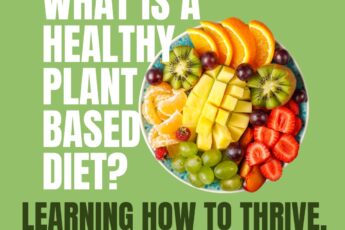
Plant-based eating focuses on whole, minimally processed foods that come from plants – like fruits, vegetables, whole grains, legumes, nuts, and seeds. These foods are naturally lower in calorie density and higher in fiber, meaning you can feel full and satisfied while eating fewer calories overall. That is a huge win for anyone trying to manage their weight without constantly feeling hungry or deprived.
Unlike diets that promote cutting out entire food groups or surviving on shakes and supplements, a vegan diet plan for weight loss is about what you add to your plate – not what you take away.
Understanding Calorie Density
Calorie density is one of the most useful concepts to understand when it comes to plant-based weight loss – and it is simpler than it sounds. It basically means how many calories are packed into a given volume of food. Picture a heaping plate of roasted vegetables, beans, and brown rice versus a small handful of potato chips. The plate of real food likely has fewer calories and will keep you full for hours. The chips? Gone in minutes and you are already thinking about what is next.
Whole plant foods are naturally low in calorie density, which means you can eat generous, satisfying portions without overdoing it on calories.
Protein on a Vegan Diet Plan
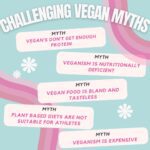
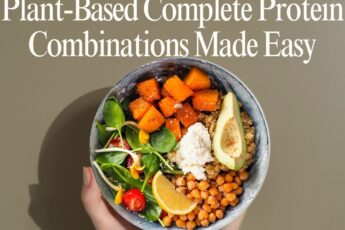
One of the first things people worry about when switching to a plant-based diet is protein. But there are plenty of excellent plant-based protein sources that can support your health and your weight loss goals. Think lentils, beans, tofu, tempeh, quinoa, edamame, and even veggies like peas and spinach. Add in protein-rich nuts and seeds like hemp, chia, sunflower, or almonds, and you will be surprised how easily you can meet your needs.
Protein helps you feel full longer and supports lean muscle, which keeps your metabolism strong. For a deeper dive into getting enough of the right nutrients, PLANT-BASED NUTRITION BASICS is a great place to start.
Fiber is another major player. It slows digestion, regulates blood sugar, and helps you feel full longer. And when your meals are packed with colorful, fiber-rich foods, there is just less room – and less desire – for processed, high-calorie options. Whole foods are also naturally low in added sugar, saturated fat, and artificial ingredients, and many people who make the switch see improvements in energy, digestion, and overall health right alongside their weight loss.
Common Mistakes to Avoid on a Vegan Diet Plan for Weight Loss
Before jumping into strategies, it helps to know where things commonly go sideways – because we have all been there, making changes with the best intentions and wondering why it is not working.
Not eating enough – Plant foods are lower in calorie density, which is great for weight loss, but it also means you need to eat enough volume to feel satisfied. Skimping on portions can leave you hungry and more likely to reach for processed snacks.
Skipping protein – It is easy to load up on grains and vegetables and forget about protein-rich foods. Make beans, lentils, tofu, or tempeh a regular part of your meals to stay full and support your metabolism.
Over-relying on processed vegan foods – Vegan burgers, nuggets, and packaged snacks are convenient, but they are still processed foods. Leaning too heavily on them can slow your progress and crowd out the whole foods that make this way of eating so effective.
Going all or nothing – Trying to overhaul everything overnight is a recipe for burnout. Small, consistent changes over time will always outperform a perfect week followed by giving up.
6 Real-Life Strategies to Make Your Vegan Diet Plan for Weight Loss Work
1. Be Mindful of Portions – Even Healthy Food Adds Up
It is easy to assume that all plant-based foods are automatically “healthy,” but portion sizes still matter, especially with calorie-dense foods like oils, nut butters, and processed snacks. Use visual cues to build balanced meals – load up on non-starchy vegetables, add a healthy portion of beans or tofu, and keep grains or starchy veggies to a moderate amount. Mindful eating helps you tune into hunger and fullness without relying on calorie counting.
2. Be Mindful of Processed Plant-Based Foods
It is easier than ever to find plant-based versions of comfort foods – burgers, nuggets, pizzas, even ice creams are now widely available in vegan form. While these can be fun occasional treats, they are still highly processed and often high in salt, added oils, and calories. For the best results, focus on whole foods most of the time and treat the processed stuff like a once-in-a-while bonus.
3. Stay Hydrated to Support Your Goals
Hydration can influence appetite more than we think. Sometimes what feels like hunger is actually thirst. Drinking enough water throughout the day supports digestion and helps your body process fiber more effectively. Try keeping a reusable bottle nearby and infuse your water with lemon, cucumber, or herbs if plain water gets boring.
4. Prep Ahead to Avoid Impulse Choices
When you are hungry and tired, convenience often wins. That is why prepping plant-based staples ahead of time is a game-changer. Batch cook grains, beans, or soups. Wash and chop veggies so they are ready to go. Keep a few easy meals in mind – like grain bowls, wraps, or chili – that you can throw together without thinking too hard.
For help stocking your kitchen with the right building blocks, PLANT-BASED STAPLES is a great resource. And for more ways to stay organized and plan ahead at the store, check out these PLANT-BASED SHOPPING STRATEGIES.
5. Add Movement That Fits Your Lifestyle
While diet is key, regular movement supports sustainable weight loss and overall well-being. You do not need an intense gym routine – find something you enjoy: walking, biking, yoga, dancing in your kitchen – it all counts. Physical activity not only burns calories but also improves mood, sleep, and motivation. Start with a step goal that feels achievable and build from there as it becomes part of your routine.
6. Progress Over Perfection – Every Single Time
This one might be the most important strategy on the list. It is easy to fall into the trap of “all or nothing” thinking, but you do not need to eat 100% whole-food plant-based every single day to see results. If you have a less-than-ideal meal or snack, just move on. One choice does not erase your progress. Focus on consistency over time, not perfection in every moment – that mindset shift is what makes a vegan diet plan for weight loss sustainable for the long haul.
How to Ease Into a Vegan Diet Plan for Weight Loss
If overhauling your entire diet overnight sounds overwhelming, that is because it is. The good news is that you do not have to. Here are a few simple ways to ease in without the pressure:
Start with one plant-based meal a day – Breakfast is often the easiest place to begin. A smoothie, oatmeal with fruit, or avocado toast is already plant-based and requires almost no adjustment.
Swap one thing at a time – Instead of replacing everything at once, try swapping ground beef for lentils in one recipe, or dairy milk for oat milk in your morning coffee. Small swaps add up. BEGINNER PLANT BASED FOODS is a great starting point if you are not sure where to begin.
Give yourself a runway – Most people find that after two to three weeks of eating mostly plant-based, their tastes shift and whole foods start to feel like the obvious choice rather than the sacrifice.
Lean on community and resources – You do not have to figure this out alone. There are great tools, recipes, and communities built around making plant-based living practical and enjoyable.
A Simple 5-Day Vegan Meal Plan for Weight Loss
Sometimes the easiest way to get started is to just see what a few days of plant-based eating actually looks like. Because whole plant foods are naturally lower in calorie density, meals like these tend to be filling and satisfying while supporting your weight loss goals – no calorie counting required. This simple plan is not about perfection or strict rules – it is just a practical starting point to show you how varied and delicious a vegan diet plan for weight loss can really be.
Day 1
- Breakfast – Oatmeal with berries, flaxseed, and a drizzle of almond butter
- Lunch – Big leafy green salad with chickpeas, cucumber, cherry tomatoes, and tahini dressing
- Dinner – HEARTY LENTIL SOUP with crusty whole grain bread
- Snack – Apple slices with peanut butter
Day 2
- Breakfast – Smoothie with spinach, frozen banana, plant-based protein powder, and oat milk
- Lunch – Grain bowl with brown rice, roasted vegetables, edamame, and a drizzle of soy-ginger sauce
- Dinner – MEDITERRANEAN SWEET POTATOES filled with garbanzo beans, fresh veggies, and a tahini dressing
- Snack – Hummus with sliced bell peppers and carrots
Day 3
- Breakfast – Avocado toast on whole grain bread with cherry tomatoes and hemp seeds
- Lunch – White bean and vegetable soup with a side of fresh fruit
- Dinner – A flexible STIR FRY with tofu with broccoli, snap peas, and brown rice
- Snack – A small handful of mixed nuts and an orange
Day 4
- Breakfast – Chia pudding made with oat milk, topped with mango and shredded coconut
- Lunch – Whole grain wrap with hummus, roasted red peppers, spinach, and sliced cucumber
- Dinner – CHICKPEA TIKKA MASALA with savory tomatoes in a creamy coconut sauce
- Snack – Edamame with a pinch of sea salt
Day 5
- Breakfast – Tofu scramble with spinach, mushrooms, and whole grain toast
- Lunch – Big Buddha bowl with quinoa, roasted beets, kale, walnuts, and lemon tahini dressing
- Dinner – MUSHROOM BOLOGNESE with tender pasta, sauteed aromatics, and a savory tomato sauce
- Snack – Rice cakes with almond butter and sliced banana
This is just a starting point – mix and match meals based on what you have on hand and what sounds good to you. The goal is to see how easy and satisfying plant-based eating can be, not to follow a rigid script.
Final Thoughts
Choosing a plant-based path for weight loss is more than a diet – it is a lifestyle built around foods that truly nourish your body. The fiber, nutrients, and lower calorie density of whole plant foods make them naturally aligned with healthy weight goals. Add in practical habits like prepping meals, staying hydrated, moving your body, and giving yourself grace, and you have a formula that is not just effective – but sustainable.
A simple vegan diet plan for weight loss does not need to feel restrictive or complicated. Keep it simple, stay consistent, and focus on progress – not perfection.
Your Most Common Questions About Vegan Diet Plans for Weight Loss
Before you go – here are some of the questions we hear most often about vegan diet plans for weight loss, along with some straightforward answers to help you get started.
For many people, yes – and the reason comes down to the nature of whole plant foods themselves. They are naturally high in fiber and lower in calorie density, which means you can eat satisfying portions without overdoing it on calories. A simple vegan diet plan for weight loss works best when it focuses on whole foods rather than processed vegan alternatives.
One of the biggest appeals of plant-based eating is that strict calorie counting is usually not necessary. Because whole plant foods are naturally lower in calorie density, most people find they feel full and satisfied without tracking every bite. That said, portion awareness with calorie-dense foods like nuts, oils, and nut butters is still worth keeping in mind.
This is one of the most common concerns, and the good news is that plant-based protein sources are more plentiful than most people realize. Lentils, beans, tofu, tempeh, edamame, quinoa, hemp seeds, and chia seeds are all solid options that can easily be worked into everyday meals.
Not at all – and trying to overhaul everything overnight is one of the most common reasons people give up before they see progress. Starting with one plant-based meal a day, or making simple swaps a few times a week, can still move the needle meaningfully. Consistency over time always beats a perfect week followed by burnout.