Protein – the word often brings images of bulging biceps and sizzling steaks. But what happens when you’re plant-powered? Is it really possible to meet your protein needs without animal products?
The good news – the plant kingdom is packed with protein-rich foods. With a little knowledge and variety, getting enough protein on a plant-based diet is far more approachable than it may seem.
Before diving into specific foods, it helps to understand why protein matters and how much protein the body needs each day.
Why Protein Is Essential
Protein plays a critical role in building and repairing tissues, producing enzymes and hormones, and supporting overall health. Protein often gets associated with animal-based foods, but plant-based options easily support these needs.
Learning how to get enough protein on a plant-based diet starts with understanding that protein adequacy isn’t about perfection – it’s about consistency and variety.
Protein Needs – How Much Is Enough?
The Recommended Dietary Allowance (RDA) for protein is 0.8 grams per kilogram of body weight. For example, someone who weighs 150 pounds (68 kilograms) needs about 55 grams of protein per day. Those who are highly active or strength training may benefit from slightly higher intake.
A PROTEIN CALCULATOR can help determine individual needs based on weight, activity level, and goals. Knowing personal targets makes it easier to build balanced, protein-supportive meals throughout the day.
High-Protein Foods for a Plant-Based Diet
Including a wide variety of plant foods helps ensure adequate protein intake while naturally supplying fiber, vitamins, minerals, and healthy fats. Below are some of the most reliable plant-based protein sources.
Legumes
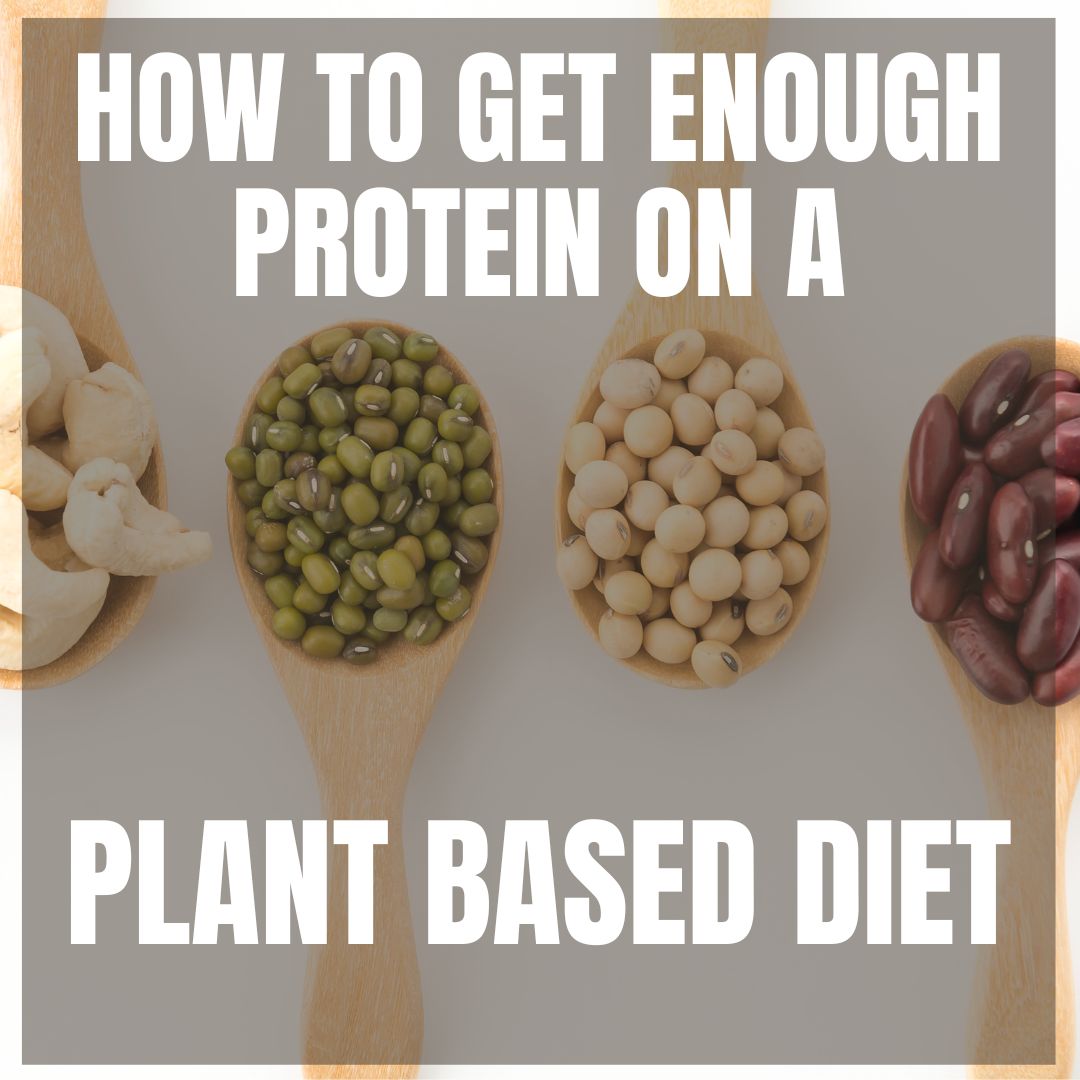
Beans, lentils, chickpeas, and peas are plant-based protein staples. They provide protein alongside fiber, complex carbohydrates, and key minerals like iron.
Lentil stew for lunch, hummus with whole-grain crackers for a snack, or a black bean burger for dinner – legumes are dependable and versatile.
- Lentils: 18.5g protein per 100g
- Black beans: 15.2g protein per 100g
- Chickpeas: 14.5g protein per 100g
- Kidney beans: 14.4g protein per 100g
- Pinto beans: 14.3g protein per 100g
Soy-Based Protein Options
Tofu, tempeh, and seitan are some of the most protein-dense plant foods available. These ingredients are also highly adaptable, taking on the flavors of marinades, sauces, and seasonings with ease.
Tofu works well in scrambles, stir-fries, and baked dishes. Tempeh’s firm texture holds up to grilling and sautéing, while seitan offers a hearty, meat-like chew that works beautifully in familiar recipes.
For those new to these ingredients, they can feel intimidating at first. Once prepared properly, they quickly become everyday favorites. A tofu prep guide can be a helpful starting point.
- Tofu: 8.0g protein per 100g (varies by firmness)
- Tempeh: 19.1g protein per 100g
- Seitan: 25.0g protein per 100g
Nuts and Seeds
Nuts and seeds contribute protein along with healthy fats and essential nutrients. While more calorie-dense, small portions can meaningfully support daily protein intake.
Sprinkle seeds into oatmeal or salads, blend them into smoothies, or enjoy nuts as a simple snack.
- Almonds: 6.0g protein per 100g
- Pistachios: 5.8g protein per 100g
- Cashews: 5.3g protein per 100g
- Chia seeds: 5.1g protein per 100g
- Hemp seeds: 5.0g protein per 100g
- Sunflower seeds: 6.5g protein per 100g
- Pumpkin seeds: 7.2g protein per 100g
Whole Grains
Whole grains provide steady energy along with protein. Quinoa, oats, brown rice, and whole wheat products help round out meals while supporting protein intake without extra effort.
Building meals around these staples makes plant-based breakfasts and lunches feel simple and satisfying.
- Oats: 6.9g protein per 100g
- Quinoa: 8.0g protein per 100g
- Brown rice: 2.8g protein per 100g
Vegetables
Vegetables may not be protein powerhouses, but they still contribute meaningfully over the course of the day. Leafy greens and cruciferous vegetables add both protein and important micronutrients.
- Broccoli: 3.4g protein per 100g
- Brussels sprouts: 3.4g protein per 100g
- Sweet corn: 3.8g protein per 100g
- Asparagus: 2.1g protein per 100g
- Spinach: 2.9g protein per 100g
Plant-Based Meat Alternatives
Mock meats like burgers, nuggets, and sausages can make the transition to plant-based eating feel more familiar. These options often provide significant protein and closely mimic traditional textures and flavors.
While convenient and satisfying, they tend to be more processed than whole plant foods, so they work best as part of a balanced approach rather than a daily staple. Exploring plant-based swaps can help identify favorites that fit individual tastes.
Do You Need Complete Proteins on a Plant-Based Diet?
A complete protein contains all nine essential amino acids required by the body. Many animal-based foods fall into this category, while plant-based proteins often contain varying amino acid profiles.
The idea that plant-based eaters must carefully combine proteins at every meal has largely been debunked. The body pools amino acids throughout the day, using them as needed.
By eating a variety of plant foods over time, protein needs are naturally met without complex calculations.
Simple examples include:
- Rice and beans
- Hummus with whole-grain pita
- Peanut butter on whole-grain toast
While the terms complete and incomplete proteins are still commonly used, the idea that plant-based eaters must carefully combine protein sources at every meal has largely been debunked. Eating a variety of plant foods throughout the day allows the body to pool amino acids and use them as needed. THE MYTH OF COMPLIMENTARY PROTEIN, an article by Forks Over Knives, explains this concept in more detail, reinforcing that a balanced, varied plant-based diet naturally provides all nine essential amino acids without complicated planning.
Tips for Getting Enough Protein on a Plant-Based Diet
- Plan ahead: Include a protein source in meals and snacks, such as tofu in stir-fries or seeds sprinkled on oatmeal.
- Snack intentionally: Roasted chickpeas, trail mix, and protein bars offer easy boosts.
- Use protein powders as needed: Plant-based powders made from pea, hemp, or brown rice can be helpful additions.
- Cook with versatile staples: Lentils, quinoa, and tempeh fit easily into soups, salads, and grain bowls.
Sample High-Protein Plant-Based Meal Plan
For anyone unsure how to structure meals, this example shows how protein can add up naturally throughout the day.
Breakfast: Smoothie with soy milk, banana, spinach, and pea protein powder (about 20g)
Lunch: Quinoa salad with black beans, roasted vegetables, and tahini dressing (about 25g)
Snack: Apple slices with almond butter (about 8g)
Dinner: Lentil and vegetable stir-fry over brown rice (about 30g)
Dessert: Non-dairy ice cream topped with crushed almonds (about 5g)
Common Myths About Plant-Based Protein
Myth: Plant-based diets don’t provide enough protein.
Truth: A well-planned plant-based diet easily meets protein needs.
Myth: Complete proteins are required at every meal.
Truth: The body pools amino acids throughout the day, so overall variety matters more than meal-by-meal combinations.
Protein-Rich Recipes to Try
Most people can get enough protein on a plant-based diet without much effort. With a little planning and a wide range of plant foods, protein-rich meals become second nature.
Over time, concerns fade, meals feel satisfying, and the abundance of plant-based options speaks for itself. Protein myths fall away, replaced by confidence, nourishment, and variety – all powered by plants.
Yes. A well-planned plant-based diet easily meets protein needs by including a variety of foods such as legumes, soy products, whole grains, nuts, and seeds throughout the day.
No. The body pools amino acids over the course of the day, so eating a variety of plant foods naturally provides all essential amino acids without combining proteins at each meal.
Some of the most reliable plant-based protein sources include lentils, beans, tofu, tempeh, quinoa, nuts, seeds, and plant-based meat alternatives.
Protein powders aren’t required, but they can be a convenient option for athletes, very active individuals, or anyone who wants an easy protein boost using plant-based sources like pea or hemp protein. Just check the label to make sure it isn’t filled with ingredients that you don’t want – like excessive amounts of sugar.