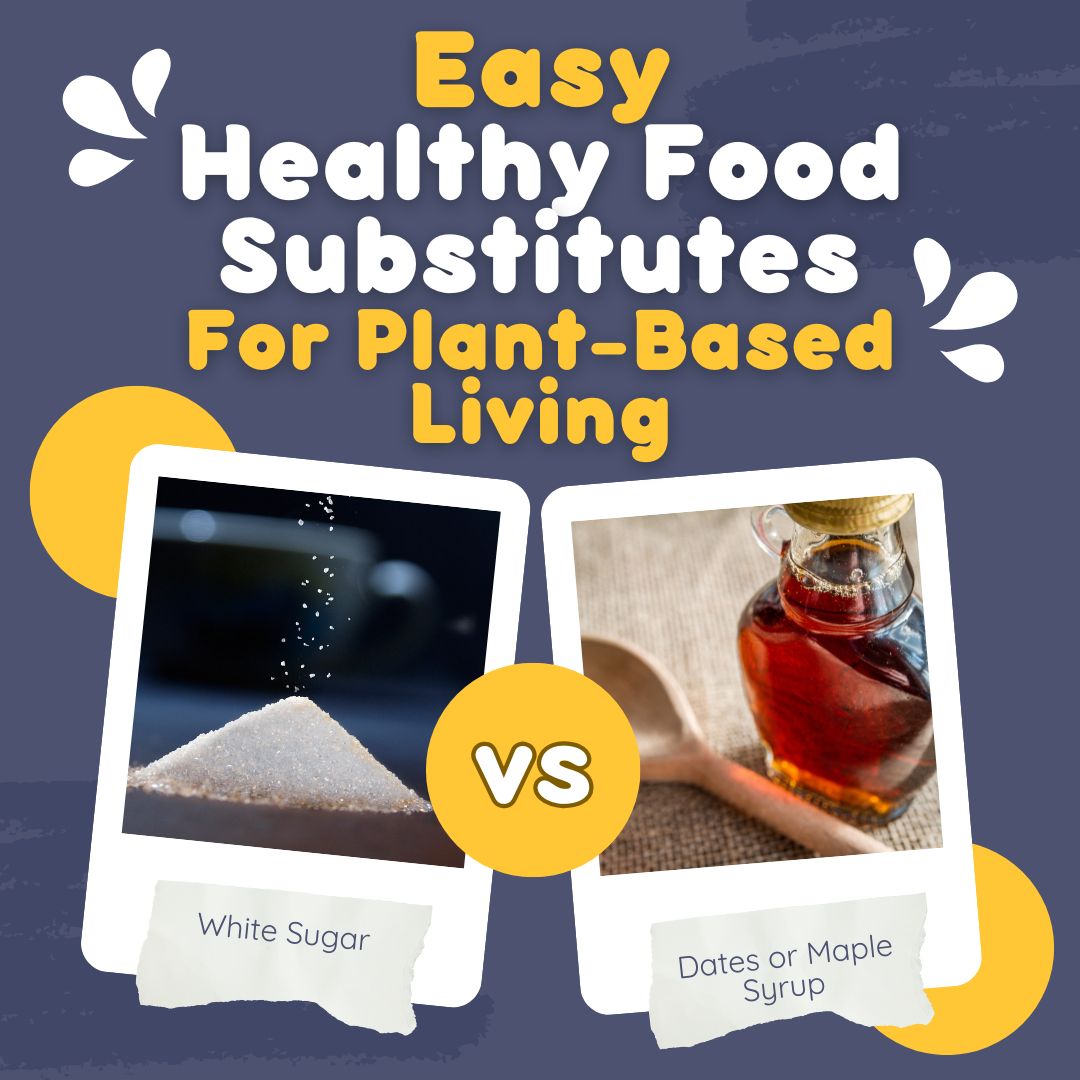
Looking for healthy food substitutes that actually fit a plant-based lifestyle? We have all been there – standing in the grocery aisle, wanting to make better choices but not quite sure where to start. The good news is that small, simple swaps can make a surprisingly big difference, and you do not have to overhaul everything at once.
Our Approach To Healthy Food Substitutes
Inspired by the practical approach of EAT THIS, NOT THAT, this guide offers plant-based healthy food substitutes for the everyday ingredients most of us use on repeat. The goal is not perfection – it is progress. Whether you are just starting to explore plant-based eating or looking to level up your current routine, these swaps help you cut back on processed ingredients, added sugars, and unhealthy fats without giving up the foods you love.
A friendly heads-up: these suggestions are meant to offer simple, common-sense improvements. I am not a medical professional, so if you have specific health concerns, it is always a good idea to chat with your doctor or a registered dietitian about what works best for you.
The Best Healthy Food Substitutes By Category
Sweeteners
Sweeteners show up in everything from baking to beverages, and most of us are using far more refined sugar than we realize. The plant-based swaps below are less processed and often bring along bonus nutrients like fiber and minerals.
| Better Option | Less Healthy Option |
|---|---|
| • Maple syrup • Date syrup • Coconut sugar • Whole fruits (like bananas, dates) | • White sugar • High-fructose corn syrup • Artificial sweeteners |
Quick Tip: Blend dates or use ripe bananas in baked goods or smoothies for a natural sweetener that also adds fiber and nutrients.
Is It Worth It?
✔️ Theory: Natural plant-based sweeteners are less processed and sometimes offer trace nutrients.
✔️ Practicality: Most can be used 1:1 in recipes. They may cost a bit more, but the flavor and nutrition are usually worth it.
Oils & Fats
Not all oils are created equal, and the type you cook with daily adds up over time. These swaps support heart health and keep things simple in the kitchen.
| Better Option | Less Healthy Option |
|---|---|
| • Extra virgin olive oil • Avocado oil | • Coconut oil • Vegetable oil (e.g. canola, soybean) |
Quick Tip: Use olive or avocado oil for sautéing or salad dressings. Coconut oil may seem like a healthy choice but is high in saturated fat.
Is It Worth It?
✔️ Theory: Olive and avocado oils support heart health and help reduce inflammation.
✔️ Practicality: Slightly pricier, but widely available and easy to use in nearly all cooking.
Mayonnaise
Store-bought vegan mayo has come a long way, but many versions still rely on refined oils and preservatives. A quick label check goes a long way here.
| Better Option | Less Healthy Option |
|---|---|
| • Avocado mayo • Homemade mayo with olive oil | • Store-bought vegan mayo (with processed oils) |
Quick Tip: Look for clean-label avocado mayo at most grocery stores, or make your own at home in minutes – it is quicker than you think and completely customizable.
Is It Worth It?
✔️ Theory: Avocado-based mayo has fewer additives and better fats.
✔️ Practicality: Store-bought avocado mayo is becoming easier to find, and homemade versions are simple and satisfying.
Dairy Alternatives and Spreads
Switching away from conventional dairy is one of the most impactful moves in plant-based eating – and it is easier than ever with so many great options available. Plant-based dairy substitutes deliver similar flavor and function with fewer saturated fats and no cholesterol. For a deeper look at what works best, check out our PLANT-BASED DAIRY SWAPS guide.
| Better Option | Less Healthy Option |
|---|---|
| • Unsweetened almond, oat, or soy milk • Cashew cream • Nutritional yeast (cheesy flavor) • Store-bought or homemade dairy-free yogurts | • Whole milk • Sweetened or flavored dairy milk • Cheese made with animal-based rennet |
Quick Tip: Always check the label – many plant-based milks come with added sugars and fillers. Go for unsweetened and fortified versions to avoid unnecessary added sugars.
Is It Worth It?
✔️ Theory: Unsweetened versions help control sugar intake and keep ingredients clean.
✔️ Practicality: Most stores carry both types, so it is an easy upgrade without a big change in taste.
Protein Substitutes
For anyone moving toward plant-based eating, protein is usually the first question that comes up – and the answer is simpler than most people expect. Whole plant foods like tofu, tempeh, and legumes are incredibly versatile and pack a serious nutritional punch. If you are new to cooking with tofu, our TOFU 101 guide is a great place to start.
| Better Option | Less Healthy Option |
|---|---|
| • Tofu • Tempeh • Lentils • Chickpeas • Black beans • Edamame | • Processed meat alternatives (high sodium) • Animal-based proteins • Protein powders with artificial additives |
Quick Tip: Batch cook a pot of lentils or chickpeas at the start of the week – they fold into salads, soups, grain bowls, and wraps with almost no effort.
Is It Worth It?
✔️ Theory: Whole plant proteins deliver fiber, minerals, and protein without the saturated fat found in most animal products.
✔️ Practicality: Dry beans and lentils are among the most budget-friendly foods you can buy, and they last forever in the pantry.
Grains, Beans & Staples
Staple items like grains, pasta, and canned goods often have more nutritious alternatives hiding right next to them on the shelf. Whole-food plant-based swaps here add fiber, reduce unnecessary additives, and keep your meals more satisfying. For a deeper dive into just how powerful beans and lentils can be, take a look at our GUIDE TO BEANS AND LENTILS.
| Better Option | Less Healthy Option |
|---|---|
| • Brown rice • Quinoa • Whole wheat pasta • Lentil or chickpea pasta • Dry or no-salt-added beans | • White rice • Regular pasta • Canned beans with added sodium • Pre-seasoned grain mixes |
Quick Tip: Batch cook grains and beans at the start of the week for quick, no-fuss meals every day.
Is It Worth It?
✔️ Theory: Whole grains and beans provide more fiber, protein, and nutrients than their refined counterparts.
✔️ Practicality: May require a little more prep, but dry goods are budget-friendly and have a long shelf life.
Condiments & Sauces
Condiments are one of the sneakiest sources of added sugar, sodium, and preservatives in an otherwise clean diet. The good news is that most have easy, better-for-you alternatives that taste just as good – sometimes better.
| Better Option | Less Healthy Option |
|---|---|
| • Low-sodium soy sauce, tamari or coconut aminos • Homemade salad dressings with olive oil • Hummus or avocado as a spread • Salsa (no added sugar) | • Regular soy sauce (high sodium) • Store-bought dressings (added sugar and oils) • Processed dips and spreads |
Quick Tip: Coconut aminos are a great soy sauce swap – lower sodium, slightly sweeter, and widely available in most grocery stores now.
Is It Worth It?
✔️ Theory: Cleaner condiments reduce hidden sodium and sugar that quietly add up across the day.
✔️ Practicality: Most swaps are available right in the same aisle – it is just a matter of flipping the label.
Snacks
Even packaged snacks can have better-for-you versions right next to them on the shelf. This section focuses on plant-based options that satisfy cravings while keeping ingredients simple and recognizable.
| Better Option | Less Healthy Option |
|---|---|
| • Air-popped popcorn • Roasted chickpeas • Trail mix with nuts and dried fruit • Whole food snack bars (check the label – look for short ingredient lists and real food ingredients) | • Potato chips • Processed granola bars • Candy • Vegan “junk food” with additives |
Quick Tip: When choosing packaged snacks, stick to short ingredient lists and ingredients you can actually recognize.
Is It Worth It?
✔️ Theory: Less processed snacks support better energy and digestion throughout the day.
✔️ Practicality: Easy switches – many healthier versions are found right in the same snack aisle.
Where To Start With Healthy Food Substitutes
If all of this feels like a lot, here is a simple way to think about it – pick one category that shows up most in your daily routine and start there. Daily cooking with oil? Swap that first. For snackers, the snack aisle is the easiest place to begin. Small, consistent changes add up faster than one big overhaul ever will.
A good rule of thumb: start with the swaps that require zero extra effort – same aisle, similar price, better ingredients. Once those feel normal, move to the next category.
The Best Healthy Food Substitutes Are The Ones You Actually Use
Understanding what makes certain plant-based foods a smarter choice helps you make more confident, balanced decisions without overthinking every meal. Not every change needs to happen at once – just knowing your options puts you in the driver’s seat.
Start small, stay consistent, and feel good about every step you take toward healthier eating – one simple swap at a time.
Your Most Common Questions About Healthy Food Substitutes
Before you go – here are some of the questions we hear most often about healthy food substitutes, along with some straightforward answers to help you get started.
Sometimes, but not always. Whole grains, dry beans, and lentils are actually among the most budget-friendly foods you can buy. Where you might spend a little more is on items like avocado oil or clean-label snack bars – but even then, buying in bulk or shopping sales closes that gap quickly.
We have all been skeptical about this one – and the honest answer is that most swaps taste just as good once you get used to them. Coconut aminos, for example, are a favorite for many people over regular soy sauce. Start with the swaps that feel closest to what you already enjoy and go from there.
Not at all – small, consistent changes add up more than one big overhaul ever will. Pick one category that shows up most in your daily routine and start there. Even swapping refined grains for whole grains or ditching the processed snacks can make a noticeable difference over time.
Absolutely – these swaps work for everyone at the table, regardless of where they are on their food journey. Better oils, less refined sugar, and cleaner condiments are wins for any eating style. You do not have to label it plant-based for the whole family to benefit.