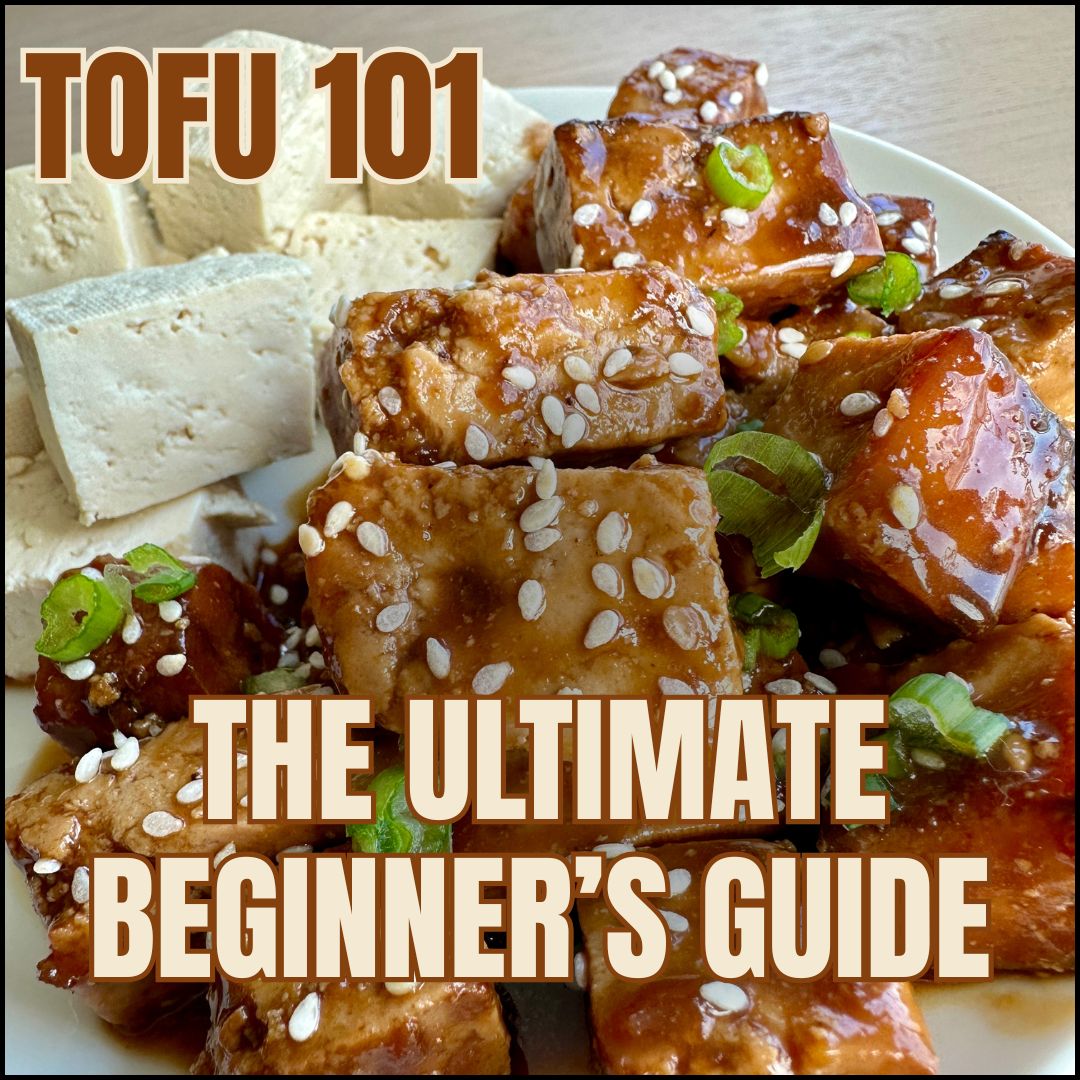
If you have ever stood in the grocery store staring at a block of tofu and had no idea what to do with it, you are not alone. Tofu might seem bland or unfamiliar at first, but this plant-based powerhouse is anything but boring. This Tofu 101 guide walks you through everything you need to know – from choosing the right type to cooking techniques, nutrition, storage, and practical tips – so you can enjoy tofu with confidence.
Tofu 101 Basics: What Is Tofu?
It all starts with understanding what tofu actually is. Made from soybeans, tofu is created by curdling fresh soy milk, pressing it into a block, and cooling it – similar to cheese-making. This simple process results in a mild, adaptable food that has been a staple in Asian cuisines for centuries and is beloved by plant-based eaters everywhere.
Is Tofu a Processed Food?
This is one of the first questions that comes up in any Tofu 101 conversation, and it is a fair one. Traditional tofu is made with just three ingredients: soybeans, water, and a coagulant like calcium sulfate or magnesium chloride. It is far from the ultra-processed foods with long ingredient lists. Most tofu sold today stays close to its whole-food roots – especially when you choose organic or non-GMO varieties, which are worth looking for on the label.
Types of Tofu and When to Use Them
A key part of Tofu 101 is learning the different types of tofu and how to use each one effectively in your cooking.
- Silken Tofu: Smooth and creamy, silken tofu blends beautifully into soups, sauces, smoothies, and desserts. It is your go-to for recipes where a soft, custard-like texture is the goal.
- Firm Tofu: A great all-around choice. With a texture similar to feta, it holds its shape well in stir-fries, bakes, and pan-seared dishes.
- Extra-Firm Tofu: The star of many Tofu 101 recipes, extra-firm tofu is dense, sturdy, and great for frying, baking, or air-frying. It soaks up marinades well and delivers satisfying texture in every bite.
When shopping, look for organic or non-GMO labels – they are easy to find and a simple way to feel good about what you are buying.
The Secret to Better Tofu: Press It or Freeze It
Pressing tofu is one of the simplest prep steps that can completely change the texture and taste of your meals. Removing excess moisture allows tofu to absorb more flavor and crisp up better during cooking.
How to Press Tofu
Two easy methods work well here:
- Use a tofu press: Designed for the job, a tofu press makes it quick and easy. A good one runs about $15-$25 online and pays for itself fast.
- Go DIY: Wrap the tofu in a clean kitchen towel, set it on a plate, and place something heavy on top – a cast iron skillet or a few heavy cans work perfectly. Wait 15-30 minutes and you are ready to go.
How and Why to Freeze Tofu
Freezing is a separate technique worth knowing about – and the results are genuinely different from pressing. When tofu freezes, the water inside expands and creates a sponge-like structure that absorbs marinades even more deeply. Just drain the tofu, pop it in the freezer in its original packaging or an airtight container, and let it freeze solid. When you are ready to use it, thaw it in the fridge or microwave, press out the excess water, and cook as usual. The result is a chewier, more flavorful tofu that is especially good in stir-fries, on the grill, or in crispy baked dishes.
Tofu 101 Nutrition Breakdown
One of the reasons tofu is a standout in plant-based eating is its well-rounded nutrition profile. Here is how it compares to chicken breast in a side-by-side look at 100-gram servings:
| Nutrient | Firm Tofu (100g) | Chicken Breast (100g) |
|---|---|---|
| Calories | 144 kcal | 165 kcal |
| Protein | 17g | 31g |
| Total Fat | 9g | 3.6g |
| Saturated Fat | 1.3g | 1.0g |
| Cholesterol | 0mg | 85mg |
| Calcium | 683mg | 11mg |
| Iron | 2.7mg | 0.7mg |
Tofu Nutrition Source: HEALTHLINE Chicken Breast Nutrition Source: NUTRITIONIX
Chicken breast delivers more protein per serving, but tofu holds its own – especially when you factor in serving size, since tofu’s mild flavor makes it easy to use generously. What really stands out is the micronutrient picture: tofu contains zero cholesterol and is an excellent source of calcium and iron, two nutrients that can be harder to get enough of on a plant-based diet. It is a genuinely nourishing option, especially when paired with other plant-based staples like a FRESH VEGGIE STIR FRY.
What About the Rumors That Soy Is Bad for You?
A common concern in any Tofu 101 discussion is soy’s effect on health. Because soy contains phytoestrogens, some worry it might affect hormones or raise cancer risk. But current research tells a more reassuring story – moderate soy intake is not only considered safe for most people, it may offer real benefits like supporting heart health and lowering cholesterol. Studies have found that populations with high traditional soy consumption tend to show lower rates of certain cancers and cardiovascular disease.
As with any food, balance is key. You can read more in this GoodRx article: IS SOY BAD FOR YOU? HERE’S WHAT THE SCIENCE SAYS. And as always, check with your doctor to determine what is right for your body.
How to Store Tofu
This is a question beginners often have and it is easy to overlook. Unopened tofu can be stored in the refrigerator until the use-by date on the package. Once you open it, store any unused tofu submerged in fresh water in a sealed container in the fridge, and change the water daily. It will keep for up to five days that way. If you know you will not use it within a day or two, go ahead and freeze it – which loops right back to the freezing technique above.
Easy Tofu 101 Tips for Success
To get the most out of tofu, these beginner-friendly techniques work with almost any dish and make a real difference in the final result.
- Press It First: Removes excess water for better texture and crispiness.
- Marinate It Well: Soy sauce, vinegar, and garlic make a great base. Add a small amount of cornstarch to the marinade – it helps the tofu brown beautifully and absorb flavor more deeply.
- Choose Your Cooking Method: Pan-frying gives you a crispy golden crust and works fast. Baking (400° for about 30 minutes) is hands-off and great for batch cooking. Air-frying (375° for about 20 minutes) delivers crunch with less oil. All three work well – pick the one that fits your kitchen and your schedule.
- Add Bold Flavors: Tofu pairs well with nearly any seasoning or sauce. A few go-to combinations that work especially well: teriyaki, peanut sauce, sriracha-lime, and simple garlic-soy. Do not be afraid to experiment.
For a tried-and-true way to put these tips into practice, the CRISPY BAKED TOFU recipe on the site is a perfect starting point.
Tofu 101 Recipes to Try
Once you get the hang of it, tofu can be a mealtime game-changer. These are simple, no-fuss starting points – not full recipes with long ingredient lists, just easy combinations to help you get comfortable cooking with tofu every day.
- General Tso’s Tofu: Toss crispy tofu in a store-bought General Tso’s sauce and serve with rice and steamed broccoli.
- Tofu Scramble: Crumble firm tofu into a hot pan with your favorite veggies and spices for a hearty breakfast or lunch.
- Crispy Tofu Nuggets: Coat tofu cubes in olive oil, panko, nutritional yeast, garlic powder, and onion powder, then bake or air-fry until golden.
- Silken Tofu Chocolate Mousse: Blend 1 cup silken tofu, 1/2 cup melted dark chocolate chips, 2 tbsp non-dairy milk, 1 tsp vanilla, and 1 tbsp maple syrup. Chill for at least an hour and enjoy a rich, plant-based dessert.
Your Tofu 101 Takeaway
Tofu 101 is not just a lesson in nutrition – it is an invitation to try something new in the kitchen. Whether you are aiming to eat more plants, reduce meat, or just explore new flavors, tofu makes it easy to do all three. It is one of the most budget-friendly proteins you will find – typically $2-$4 for a block that serves two to three people – and it works in everything from a quick weeknight stir-fry to a creamy dessert.
And for a handy reference to keep nearby, download the TOFU 101 BEGINNER PLANT-BASED MEAL GUIDE for quick prep tips and recipes that make tofu easy and delicious.
Your Most Common Questions About Tofu
Before you go – here are some of the questions we hear most often about tofu, along with some straightforward answers to help you get started.
Yes – tofu is a nutrient-dense food that delivers solid protein, zero cholesterol, and meaningful amounts of calcium and iron. For anyone eating plant-based, it is one of the most well-rounded and affordable proteins you can add to your meals.
Tofu absolutely absorbs flavor – the key is preparation. Pressing out the excess moisture first, then marinating or seasoning well, makes a dramatic difference. Once you try it properly prepped, bland tofu will be a thing of the past.
Extra-firm tofu is the most beginner-friendly place to start. Press it, cut it into cubes, toss it in soy sauce and garlic, and bake at 400° for about 30 minutes. It is simple, hard to mess up, and a great way to build confidence in the kitchen.
Not at all. This Tofu 101 guide is for anyone curious about adding more plant-based protein to their meals – whether you are fully plant-based, cutting back on meat, or just looking to try something new. Tofu fits easily into all kinds of eating styles.