The secret to great plant-based meals has less to do with fancy ingredients and more to do with knowing how to cook them. A portobello mushroom off the grill tastes completely different from one that has been roasted or sautéed – and that difference is technique. This guide walks you through 8 essential vegan cooking techniques so you can get the most flavor, nutrition, and satisfaction out of every meal.
8 Essential Vegan Cooking Techniques for Delicious Plant-Based Meals
This guide walks you through 8 essential vegan cooking techniques – what they are, how to use them, and what plant-based foods shine with each method. Whether you are just starting out or looking to round out your skills, there is something here for every level.
Grilling
Grilling involves cooking food directly over an open flame or heat source. You can use an outdoor grill, a grill pan on your stove, or a tabletop indoor grill – all work beautifully for plant-based ingredients.
Preheat your grill, season your ingredients, and place them directly onto the grill grates, flipping as needed until cooked through. The high heat creates charred edges and smoky depth that are hard to replicate any other way.
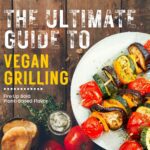
If you are ready to take this technique further, our ULTIMATE GUIDE TO PLANT-BASED GRILLING has everything you need to fire up a full spread.
Plant-based foods to grill: portobello mushrooms, eggplant slices, bell peppers, zucchini and squash, pineapple slices, corn on the cob, tofu slices, plant-based mock meats like burgers, brats, Italian sausages, and hot dogs.
Nutritional insight: Grilling adds smoky depth with minimal added fat. While some heat-sensitive nutrients are reduced, the flavor payoff means you do not need to rely on heavy oils or sauces to make the meal satisfying.
Sautéing
Sautéing is a quick cooking method that uses a small amount of oil or liquid over medium to high heat. It is one of the most versatile vegan cooking techniques you will reach for again and again.
Heat oil or liquid in a skillet, add your ingredients, and stir frequently until cooked through. Letting the ingredients cook just a little longer than you think – until they pick up a light golden color – brings out a rich, savory depth that makes a real difference in the finished dish.
Plant-based foods to sauté: onions and garlic, spinach or kale, tofu or tempeh, broccoli or cauliflower florets, mushrooms, green beans or asparagus, veggie meatless crumbles.
Nutritional insight: To keep it low in fat, swap oil for water or vegetable broth. Light sautéing preserves most nutrients, especially when vegetables are cooked just until tender-crisp.
Baking and Roasting
Baking and roasting are both oven methods, but roasting typically uses higher heat to encourage caramelization and intensified flavor – making it one of the most rewarding vegan cooking techniques for vegetables.
Preheat your oven, toss your ingredients with a small amount of olive oil (a good all-around choice for plant-based cooking), season to taste, spread on a baking sheet, and roast until tender and golden brown. Prefer oil-free? Parchment paper does a great job of preventing sticking while still producing crispy results.
Plant-based foods to roast: root vegetables like carrots, potatoes, and beets, Brussels sprouts, cauliflower or broccoli, butternut squash, cherry tomatoes, cubed tofu, and chickpeas.
A great recipe to try with this method: MEDITERRANEAN SWEET POTATOES
Nutritional insight: Roasting concentrates natural sugars and enhances flavor. Though some vitamin C is lost with heat, fiber and minerals are well retained – and skipping the oil lowers fat content without sacrificing crispiness.
Air Frying
Air frying uses hot air circulated by a fan to cook food, producing a crispy exterior with little to no oil. Tabletop air fryers are widely available at a reasonable price point, and they have become a staple in plant-based kitchens for good reason – they deliver the crunch of frying without the fat.
Place your ingredients in the air fryer basket, set the temperature and time, and let it do the work. That is really all there is to it.
Air fryers are our number one recommended kitchen tool for plant-based cooking – we use ours nearly every day. If you are in the market for one, check out our full list of USEFUL KITCHEN GADGETS for plant-based kitchens.
Plant-based foods to air fry: French fries from potatoes or sweet potatoes, Brussels sprouts or broccoli, tofu or tempeh cubes, seasoned chickpeas, vegan chicken patties and nuggets.
Nutritional insight: Air frying delivers crispiness with little to no oil, reducing fat and calorie intake without sacrificing nutrients or flavor. It is ideal for making crunchy snacks and sides any night of the week.
Slow Cooking
Slow cooking gently simmers food at low temperatures over several hours, producing tender, deeply flavorful dishes with almost no active effort. One of its best qualities is the convenience – load everything into the pot in the morning, go about your day, and come home to a meal that is hot, fragrant, and ready to eat.
Add your ingredients to the slow cooker, set the temperature and time, and let it do the rest.
Plant-based foods to slow cook: soups and chilis with lentils or dried beans, spaghetti sauce, hearty stews.
A perfect recipe to start with: SLOW COOKER 15-BEAN SOUP
Nutritional insight: Slow cooking retains most nutrients by using low heat over a long period. It is especially great for legumes, improving digestibility and nutrient absorption while building deep flavor without added fat.
Pressure Cooking
Pressure cooking uses steam pressure to cook food quickly while retaining nutrients and flavor. The Instant Pot is the most recognized brand, but many manufacturers offer their own versions at a range of price points.
Add your ingredients and liquid to the pressure cooker, seal the lid, and cook at high pressure for the specified time. One practical note worth keeping in mind: the actual cook time is short, but you will want to account for the time it takes to come up to pressure and to release it afterward. The real benefit is that once the lid is sealed, you are completely free – no stirring, no watching, no hovering.
If you are shopping for one, Food Network’s 6 BEST ELECTRIC PRESSURE COOKERS is a helpful starting point.
Plant-based foods to pressure cook: dried beans like black beans, chickpeas, and lentils, brown rice and other grains, risotto with mushrooms or vegetables.
A favorite recipe using this method: INSTANT POT WILD RICE SOUP
Nutritional insight: Pressure cooking retains more vitamins and minerals than boiling or frying and dramatically cuts cooking time for tough foods like beans. It also breaks down lectins and phytic acid, improving overall nutrient availability.
Boiling
Do not underestimate boiling – it is one of the most foundational cooking methods there is, and mastering it is genuinely useful for everyday plant-based cooking. Many staple ingredients – pasta, grains, legumes – rely on it entirely.
Bring a pot of water or flavorful liquid to a boil, add your ingredients, and cook until they reach the desired doneness. Simple, reliable, and endlessly useful.
Plant-based foods to boil: pasta and noodles, potatoes, whole grains like quinoa or barley, dried beans and legumes, corn on the cob, leafy greens.
Nutritional insight: Boiling can cause water-soluble nutrients like B vitamins and vitamin C to leach into the cooking water. When possible, hold onto that liquid and use it in soups or sauces – nothing wasted, more nutrition retained.
Steaming
Steaming cooks food by exposing it to steam from simmering water below. It is one of the gentlest vegan cooking techniques available, which is exactly why it is so effective – it preserves the natural color, texture, and flavor of vegetables better than almost any other method.
Place your ingredients in a steamer basket above simmering water, cover, and cook until just tender.
Plant-based foods to steam: broccoli and cauliflower florets, carrots and green beans, artichokes, vegetable dumplings, tofu or tempeh.
Nutritional insight: Steaming is one of the best methods for nutrient retention. It preserves antioxidant compounds and water-soluble vitamins while keeping vegetables tasting fresh and bright.
Which Method Is Right for You?
Not sure where to start? If you are short on time, sautéing or air frying will get dinner on the table fast. If you want something hands-off, slow cooking and pressure cooking are your best friends. And if you are brand new to the kitchen, boiling and steaming are the most approachable places to begin – low equipment, low stress, and very hard to get wrong.
Here is a quick reference to help you choose:
| Cooking Method | Best For | Key Nutritional Insight | Time Estimate |
|---|---|---|---|
| Grilling | Mushrooms, zucchini, tofu | Adds flavor with minimal fat | 8-15 min |
| Sautéing | Onions, greens, tempeh | Use broth for oil-free flavor | 5-10 min |
| Roasting | Root veggies, chickpeas | Enhances sweetness, crispy | 25-40 min |
| Air Frying | Potatoes, tofu, mock meats | Crispy with low/no oil | 10-20 min |
| Slow Cooking | Beans, lentils, soups | Nutrient-rich, low effort | 4-8 hrs |
| Pressure Cooking | Grains, beans, risotto | Retains nutrients, fast | 10-40 min |
| Boiling | Pasta, potatoes, grains | Save the cooking liquid | 10-20 min |
| Steaming | Broccoli, carrots, dumplings | Best for preserving vitamins | 5-10 min |
Closing Thoughts
There is no shortage of ways to make plant-based food delicious – and these eight vegan cooking techniques give you a solid foundation to build from. The more you experiment, the more comfortable the kitchen becomes. Pick one method this week, try it with ingredients you already have, and see what you discover. You might just find a new favorite way to cook.
Your Most Common Questions About Vegan Cooking Techniques
Before you go – here are some of the questions we hear most often about vegan cooking techniques, along with some straightforward answers to help you get started.
Not at all – most of these methods work with basic kitchen tools you likely already own. A good skillet, a pot, and an oven will get you surprisingly far. Tools like an air fryer or pressure cooker are great additions when you are ready, but they are never a requirement to get started.
Steaming and boiling are the most beginner-friendly places to start – low equipment, minimal technique, and very hard to get wrong. Once you feel comfortable there, sautéing is a natural next step that opens up a huge range of plant-based meals quickly.
Absolutely – several vegan cooking techniques work beautifully without oil. Sautéing with vegetable broth, steaming, boiling, and air frying are all great oil-free options that still deliver plenty of flavor and texture.
Technique plays a bigger role than most people realize. Roasting and grilling concentrate and deepen natural flavors, while sautéing builds savory richness through caramelization. Seasoning well at each stage of cooking – rather than just at the end – makes a noticeable difference in the finished dish.